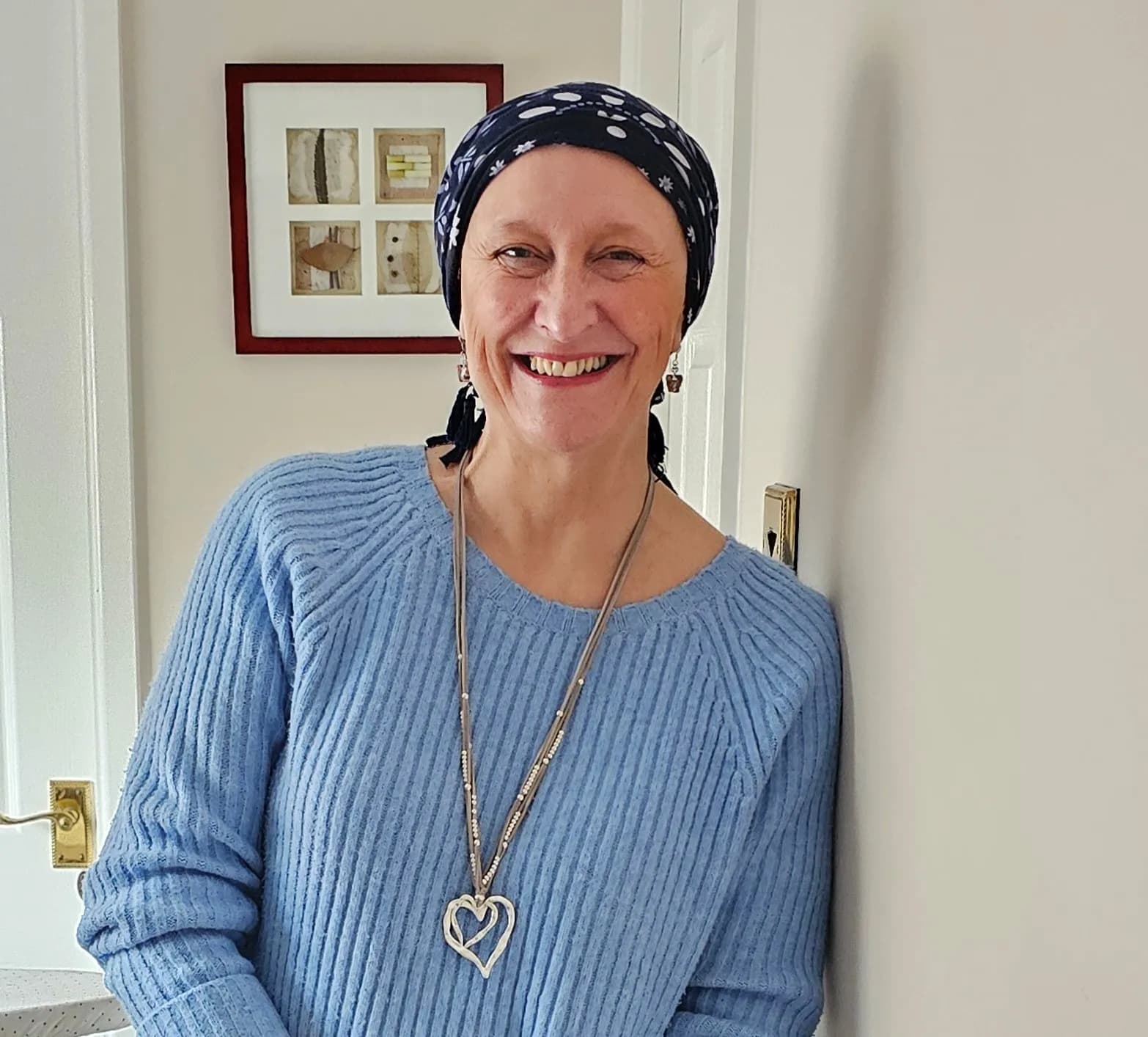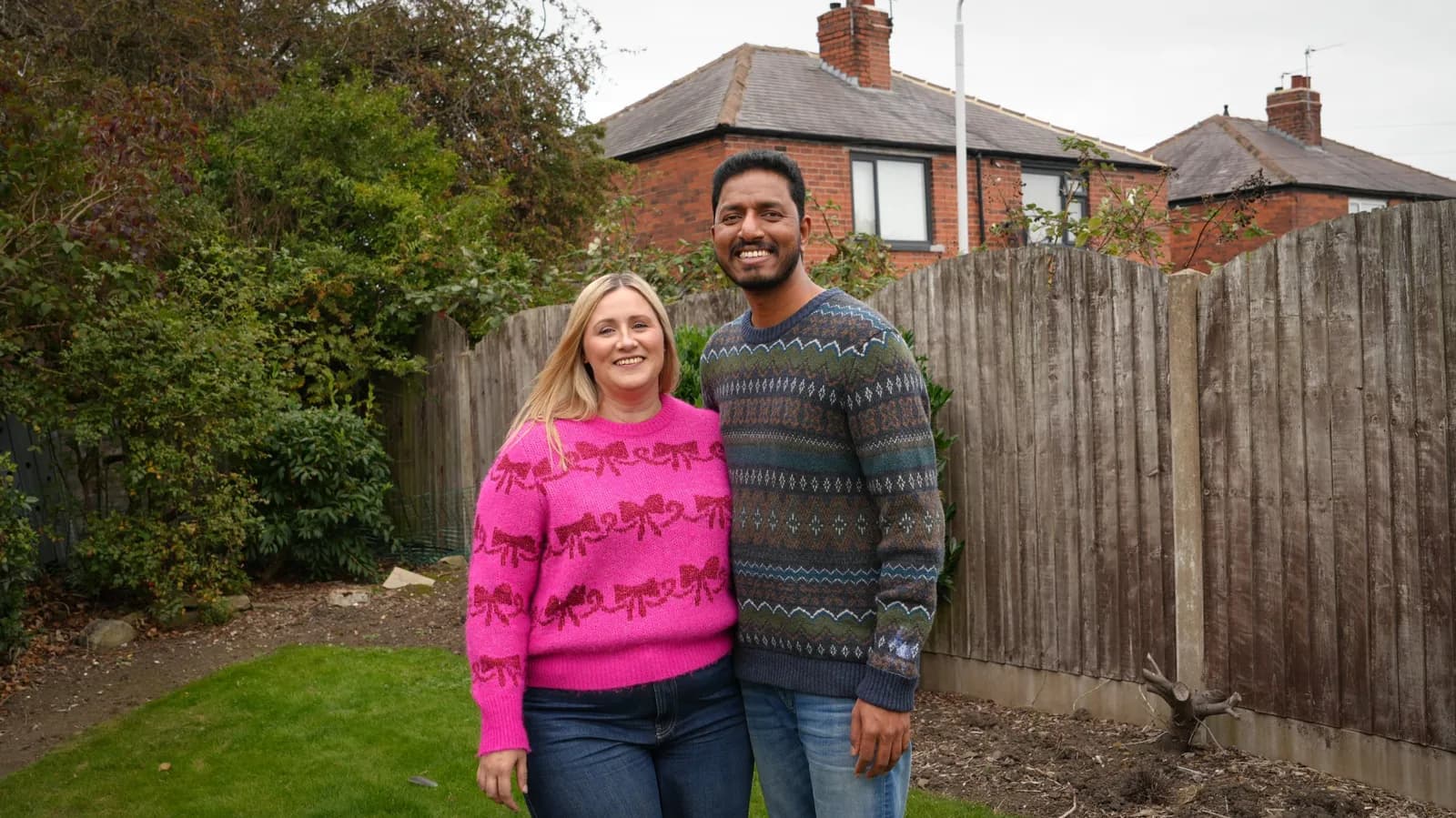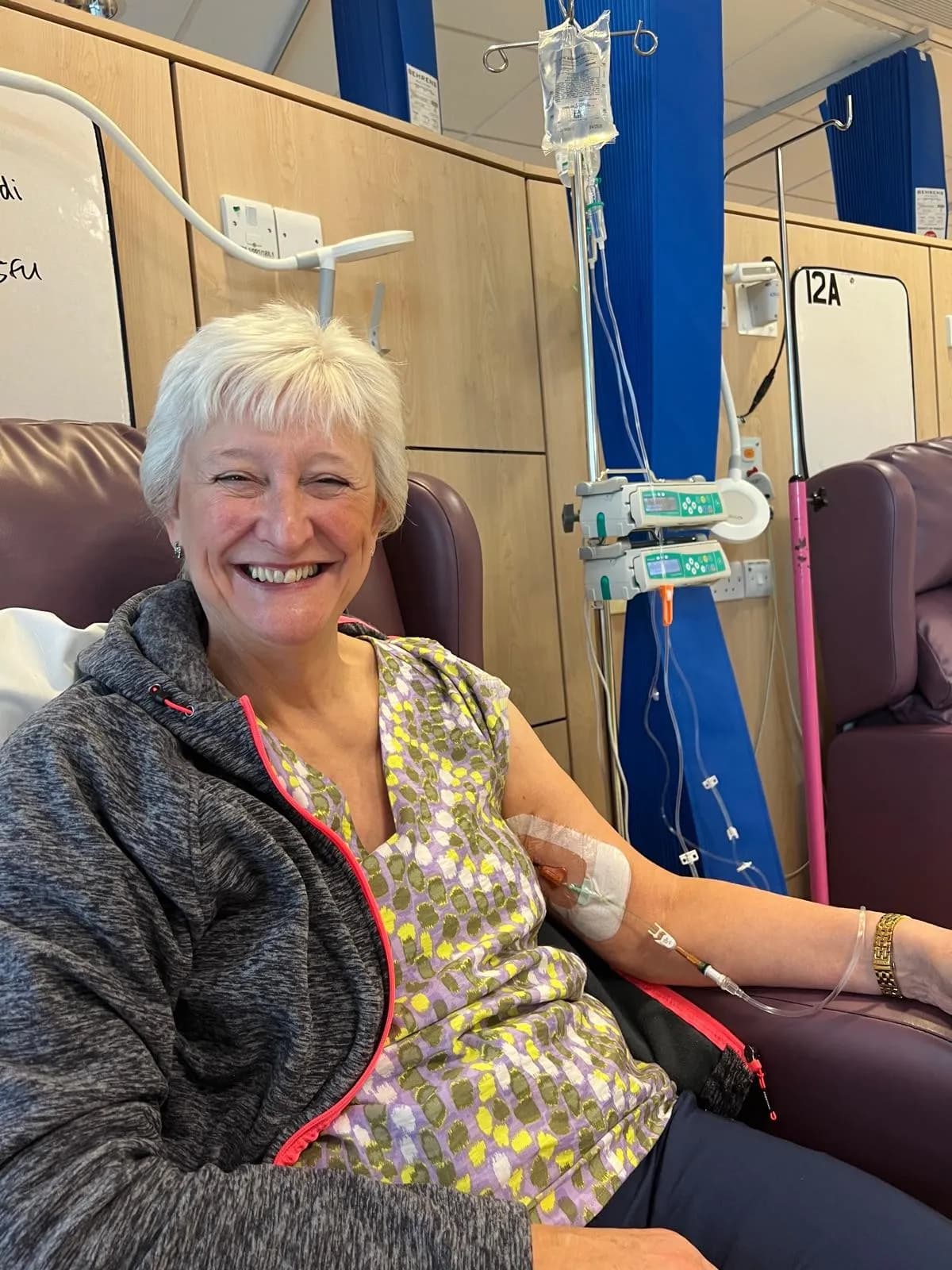
Julie, from Leeds, was diagnosed with bowel cancer in July 2024, shortly after her 60th birthday, following a colonoscopy.
She had recently completed a test through the national bowel cancer screening programme and was shocked when she was referred for further tests, having experienced no symptoms.
The diagnosis
She said:
"I didn’t expect anything to be wrong because I felt completely well. I’d just come back from a holiday abroad and there was nothing that would have made me go to the doctor. Without the screening test, I wouldn’t have known anything was wrong.
"I was watching the screen during the colonoscopy and could tell from the change in atmosphere that something wasn’t right.
"The screening nurse stayed with me when I received the news and talked everything through with me. You don’t take someone with you to a screening appointment because you’re not expecting bad news, so her support meant a lot."
When Julie was told she had bowel cancer, her thoughts immediately turned to her daughter.
She said:
"When I received the news, my first thoughts were for my daughter, who has autism. I feared what would happen if I wasn’t able to care for her.
"She’s an adult but she’s still very dependent on me. That was my biggest worry. It wasn’t really about me at all."
Joining the trial
Soon after her diagnosis, Julie met with Dr James Platt, Specialty Registrar in Medical Oncology at Leeds Teaching Hospitals NHS Trust and Clinical Research Fellow at the University of Leeds, who reassured her that her cancer could be treated.
During this appointment, Dr Platt offered her the opportunity to take part in an innovative bowel cancer clinical trial called FOxTROT 3, funded by Yorkshire Cancer Research and led by a pioneering team of researchers at the University of Leeds and the University of Birmingham.
He explained how the FOxTROT 3 trial was building on the success of earlier research, which showed giving chemotherapy before surgery can reduce complications from surgery and the likelihood of cancer returning after surgery.
Delivered at hospitals across Yorkshire and beyond, FOxTROT 3 is testing whether a more intensive chemotherapy treatment, using three drugs instead of two, can be more effective for people who are younger and fitter. After discussing her treatment options, Julie decided to take part.
Julie said:
"Dr Platt was brilliant and so informative. When he explained the trial to me, it just made sense. Having chemotherapy first to shrink the tumour, then surgery, followed by more treatment to clear anything that might be left felt like the best possible approach."
Julie recalls leaving the hospital feeling incredibly grateful to live so close to St James’s University Hospital. As a research-active hospital, St James’s is able to offer people with cancer opportunities to take part in research alongside their medical care.
Research-active hospitals are often quicker to introduce new treatments and improvements in healthcare, enabling people to benefit sooner from the latest innovations and advancements in cancer research.
Research has shown people with colorectal cancer who were treated in hospitals with high levels of research participation were nearly 4% more likely to survive for 5 years after their diagnosis.
Julie said:
"I remember walking away feeling very positive about the prospect of taking part in a clinical trial.
"Taking part in the trial made me feel like I was doing everything possible to give myself the best chance."
Treatment and surgery
Julie began chemotherapy in October 2024. While treatment brought difficult days, including periods where her immune system was weakened and coming to terms with losing her hair, she remained focused on staying positive.
On New Year’s Eve, Julie underwent surgery to remove the tumour. She was initially told there was a chance she might need a stoma bag fitted during the surgery, but was relieved to learn afterwards this had not been necessary.
She said:
"When I woke up after surgery, the first thing I did was check my stomach and realised there was no stoma.
"The surgeon came to see me and said everything had gone smoothly and the tumour had been successfully removed. It was such a relief."
After recovering in hospital, Julie returned home, supported by friends and family, before beginning further chemotherapy eight weeks later. She completed her treatment in April 2025.
Reflecting on her experience, she believes taking part in the clinical trial was a crucial part of her treatment.
She said:
"Finishing treatment was a huge moment because you finally feel like you’re getting some control back. During treatment, everything is on hold.
"My daughter and I had managed little breaks away in between treatments but it’s nothing quite like the freedom of finishing treatment.
"I feel very lucky to have been given the opportunity to take part in a clinical trial. It gave me access to a different way of treating cancer that could make a real difference, not just for me, but for people in the future."
Life after cancer
While Julie is grateful to have completed treatment, she says the emotional impact of cancer continues long after treatment ends.
She said:
"During treatment you’re so focused on getting through it that you don’t always stop to think about what’s happening. Afterwards, that’s when some of those thoughts catch up with you.
"At the same time, it does make you appreciate life differently. It makes you think about what’s important and how you want to spend your time."
Julie completed her treatment in April 2025 and is back to enjoying the things she loves, including spending time with her daughter and singing with the community choir she has been part of for over 10 years.
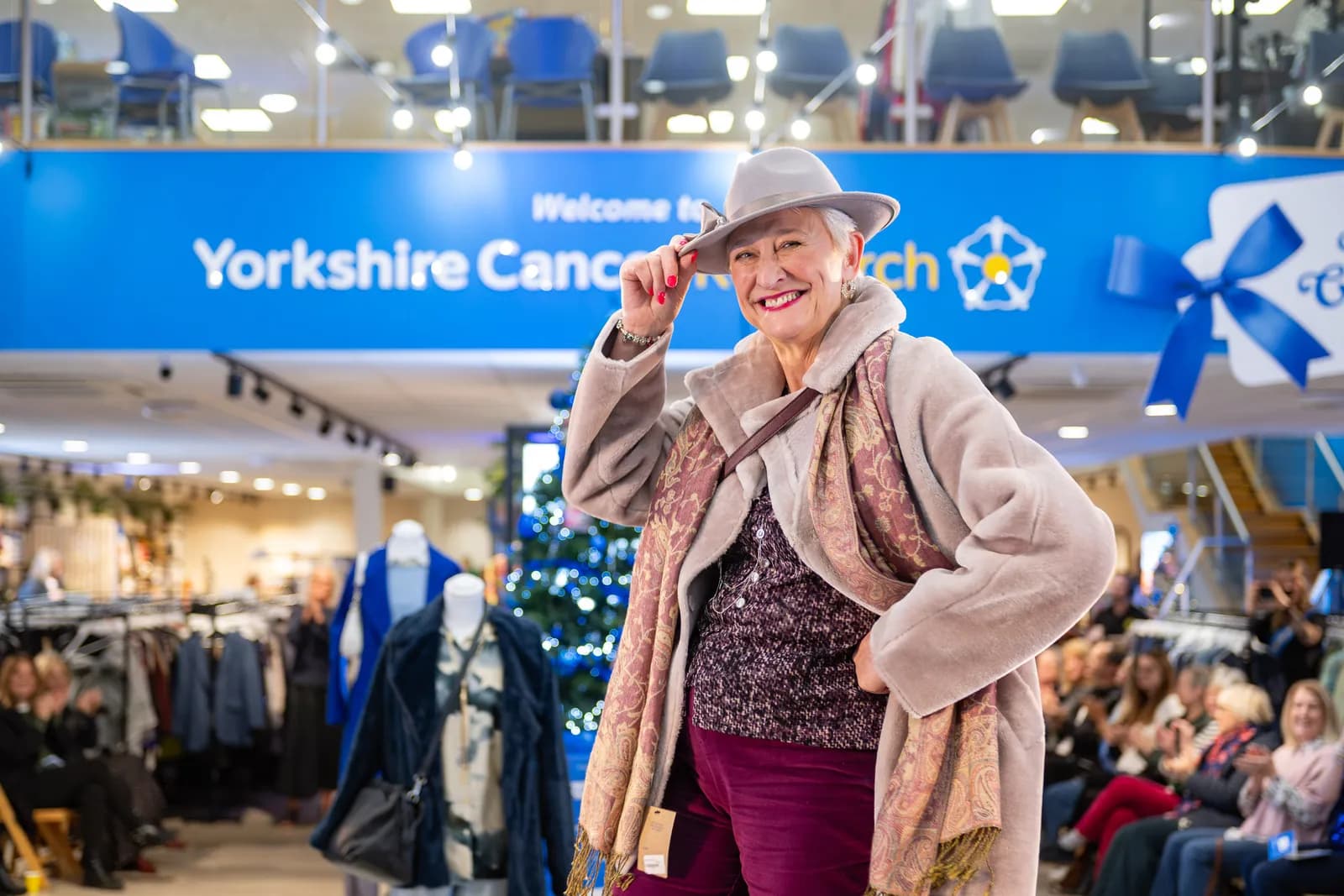
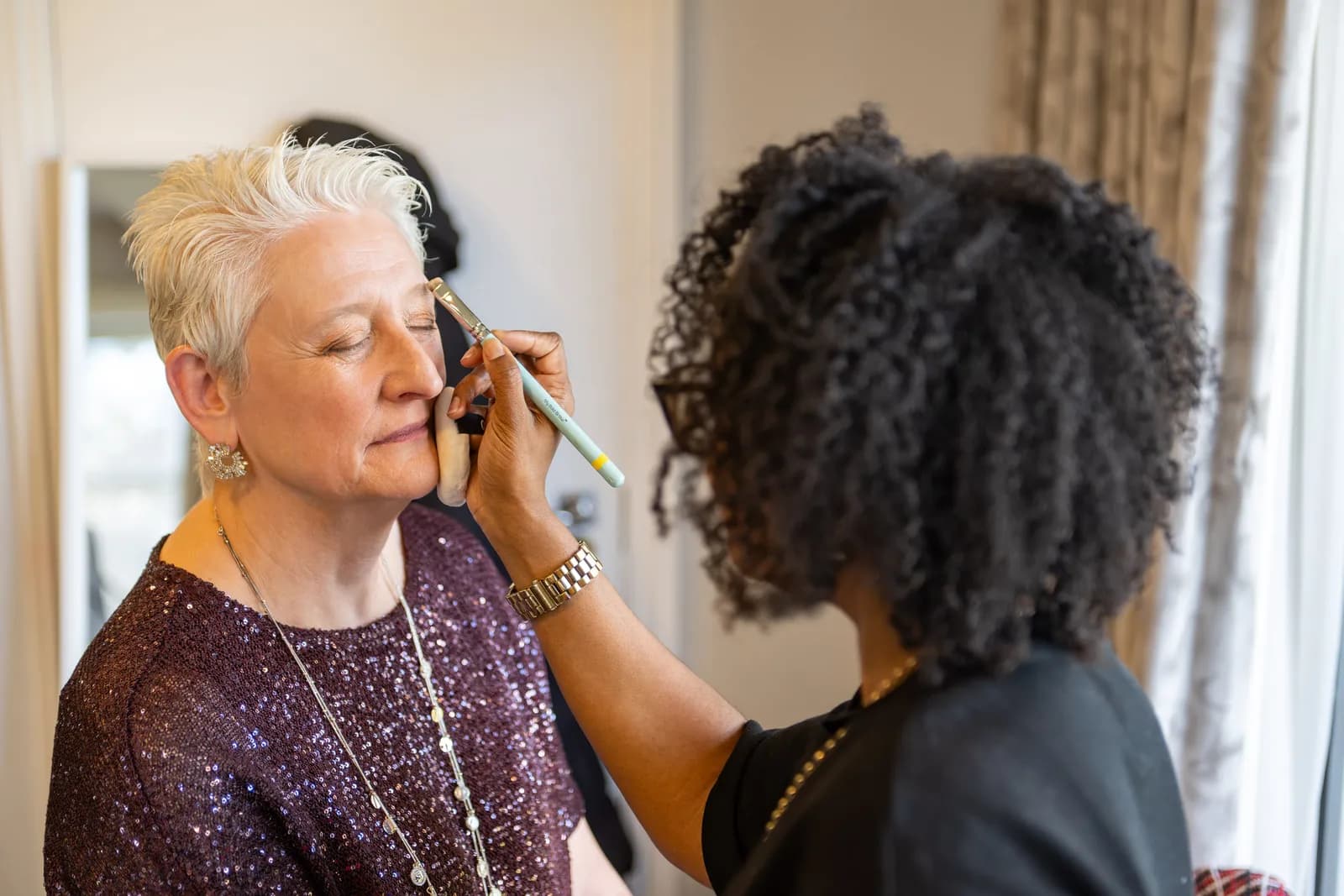
She recently took part in the Yorkshire Cancer Research fashion show as part of the charity’s 2026 Christmas campaign.
Wearing an outfit sourced from the charity’s new York Superstore, she joined other people affected by cancer on the catwalk to help raise awareness of the difference research can make to lives across Yorkshire, and the vital role the charity’s shops play in making research possible.
Julie said:
"Taking part in the fashion show was something I never imagined doing, but it felt important to support the charity that helped fund the research I benefited from."
Why screening matters
Julie now wants to share her experience to encourage everyone to take part in bowel cancer screening when invited and consider clinical trials where possible.
She said:
"I had no symptoms at all, so without screening, I wouldn’t have known anything was wrong. If my cancer had progressed to a later stage, I might never have had the opportunity to take part in a clinical trial either. I think it’s really important people understand how valuable research is.
"Through the trial and through opportunities like the fashion show, I’ve seen first-hand the impact Yorkshire Cancer Research has on people affected by cancer across the region.
"I feel very grateful for the care I received and for the opportunity to take part in research. It gives you hope things are improving and that better cancer treatments are being developed."
More about cancer research taking place in Yorkshire can be found on the Yorkshire Cancer Research website.