As ADHD Awareness Month takes place throughout October, a Yorkshire founder is challenging the way we think about ADHD, neurodiversity and what it really means to thrive at work.
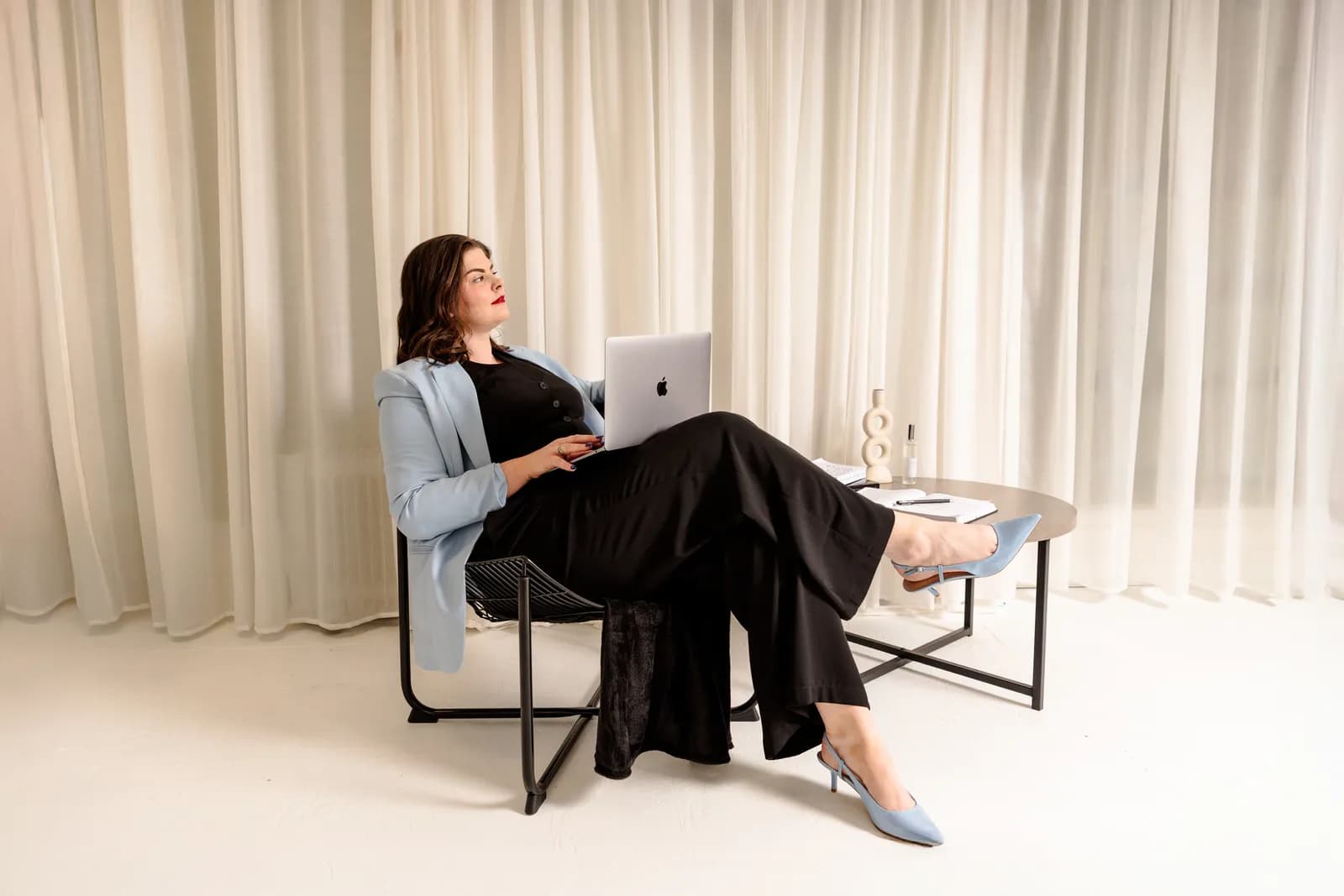
Steph Nelson, founder of NeuroCreators, based in Morley, is on a mission to close the gap between neurodivergent people’s potential and burnout, helping individuals and organisations create ways of working that work with people’s brains, rather than expecting them to fit into systems that weren't designed for them.
It’s a conversation that comes with a significant economic cost. Reports from NHS England have estimated that unsupported ADHD costs the UK economy around £17 billion a year, through lost productivity, sickness absence and workforce attrition.
But for Steph, this isn't simply an economic or workplace issue. It’s personal.
As a secondary school teacher and educational leader, Steph spent years being seen as someone who was academically successful and progressing quickly in her career. Yet behind that success, she was increasingly struggling with burnout. It was only later that she recognised that many of the challenges she had experienced were connected to AuDHD, a combination of autism and ADHD.
NeuroCreators was born from my own experience of living in the gap between ‘high potential’ and hitting the wall,” explains Steph.
For years I was the person who excelled academically and progressed quickly in my career. But internally I was burning out because the systems and advice I was following simply weren’t designed for a neurodivergent brain.
That realisation led Steph into a period of research and learning around executive function, nervous system regulation and neurodivergent psychology, ultimately leading to the creation of NeuroCreators.
Today, she works with neurodivergent individuals and organisations through coaching, training, workshops and consultancy, helping people develop practical strategies that work with their brains while supporting employers to understand neurodiversity, implement meaningful workplace adjustments and recognise the strengths neurodivergent people can bring.
Her work draws on seven years of experience in education alongside neuroinclusion consulting with organisations representing more than 60,000 people.
Steph is particularly passionate about challenging the idea that neurodivergent people need to be 'fixed' or simply need to become better at traditional productivity.
Steph said;
Standard productivity advice can lead neurodivergent professionals towards shame rather than success. We don’t try to fix people. We help them understand how their brains work, regulate their nervous systems and leverage their strengths.
Through NeuroCreators, Steph is also building a growing community of neurodivergent professionals and allies who are questioning what the future of work could look like.
For ADHD Awareness Month and its 2026 theme, ‘The Many Faces of ADHD’, Steph is keen to highlight that there is no single way ADHD looks or affects someone's life and for organisations to focus on a needs based approach to supporting their employees to thrive at work.
Someone can be highly successful, creative and capable while simultaneously struggling with executive function, overwhelm, regulation, exhaustion or the demands of a conventional workplace. Steph believes that changing this narrative benefits both individuals and businesses.
Her message to employers is simple: neuroinclusion shouldn't just be about policies or ticking boxes. It should be about understanding people, creating psychologically safer workplaces and making practical changes that allow talented people to do their best work without burning themselves out.
Throughout ADHD Awareness Month, Steph will be hosting four FREE 45 minute live webinars ‘Effective Reasonable Adjustment for Neurodivergent Staff: From Problem to Neuro-Potential™’ aimed at HR leaders and managers the first one is on the 8th October at 1pm - https://www.neurocreators.co.uk/reasonable-adjustments-training-webinar/