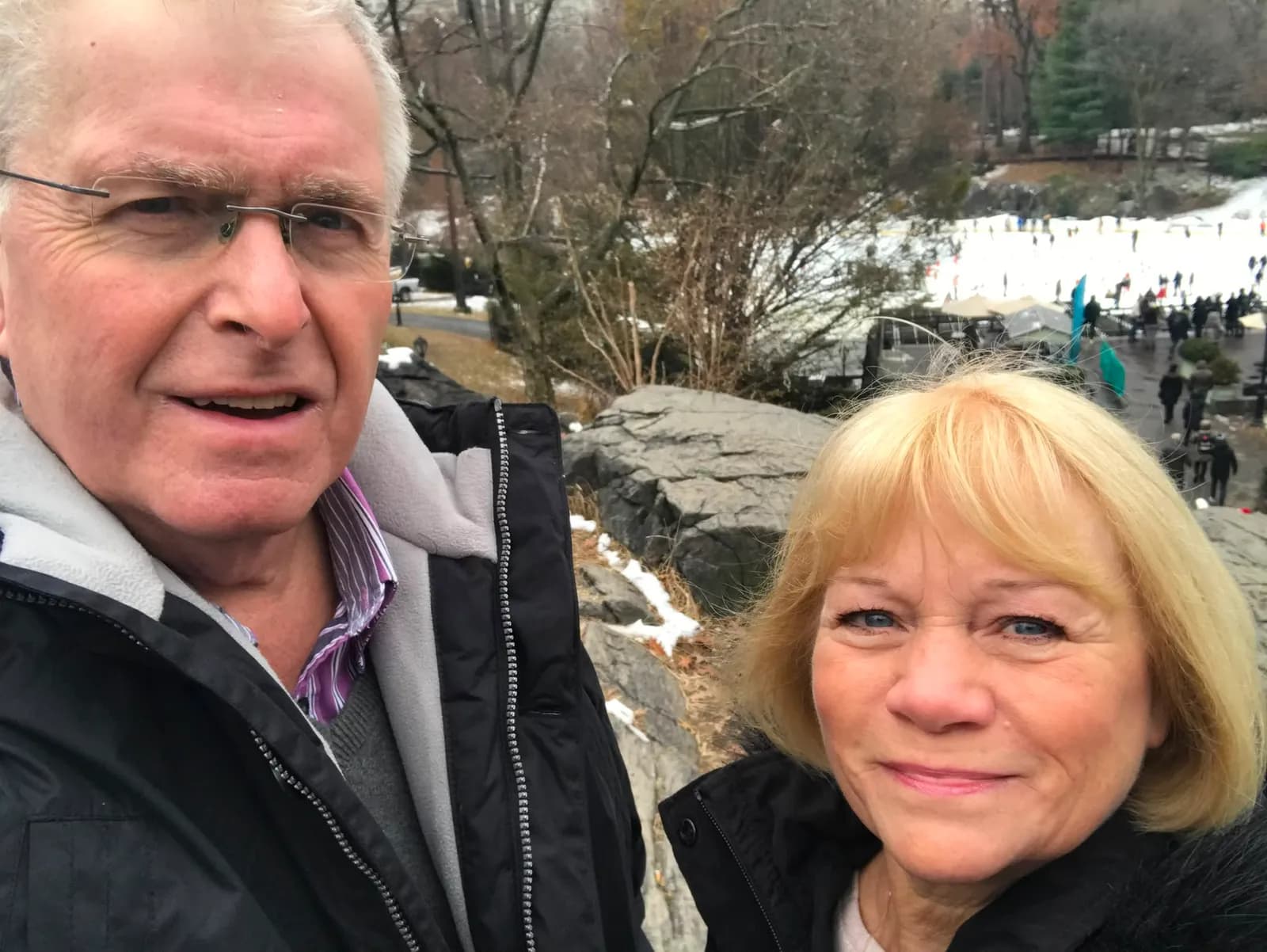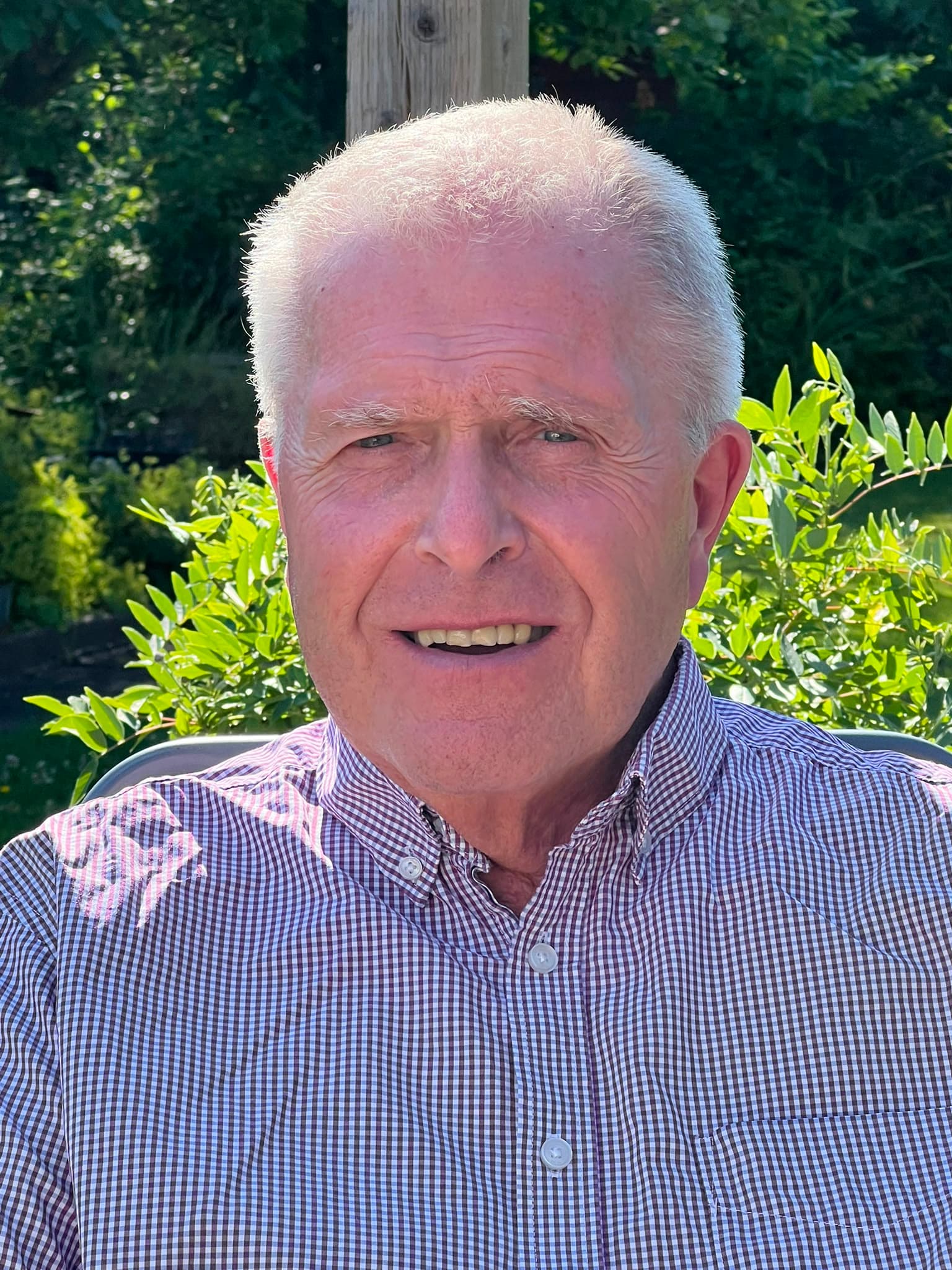
A Leeds father-of-three has shared his emotional journey to receiving a life-saving transplant for the first time.
Peter Duffy had lived for several years with primary sclerosing cholangitis, a condition that causes the bile ducts in the liver to become narrowed.
But late in 2022 his health deteriorated sharply and tests eventually confirmed he needed a liver transplant.
“I was very poorly,” he said.
“I was told I would have died within a year if nothing was done. There was nothing more they could do once the bile ducts had become blocked.”
Peter was placed on the transplant waiting list as a high priority case. Given that the waiting list in the UK is growing – and now stands at a record high of more than 8,200 people – Peter had expected to wait many months and was warned he might never receive a suitable organ.
Instead, he received five potential transplant calls in just a few weeks. Each time, Peter had to travel to St James’s University Hospital in Leeds within two hours of the call and wait while surgeons assessed whether the donated liver was suitable.
“You’re waiting on the edge of your seat,” the 69-year-old said.
“The moment when the nurse comes in and says it isn’t suitable is horrendous.”
The fifth call arrived on Saturday, April 1, 2023, after Peter and his wife had spent much of the previous day waiting at the hospital. It changed and ultimately saved his life. This time the donated liver was deemed suitable and Peter underwent surgery overnight.
Remarkably, the donated liver helped two people. Peter received the larger section, while the smaller part went to a child.
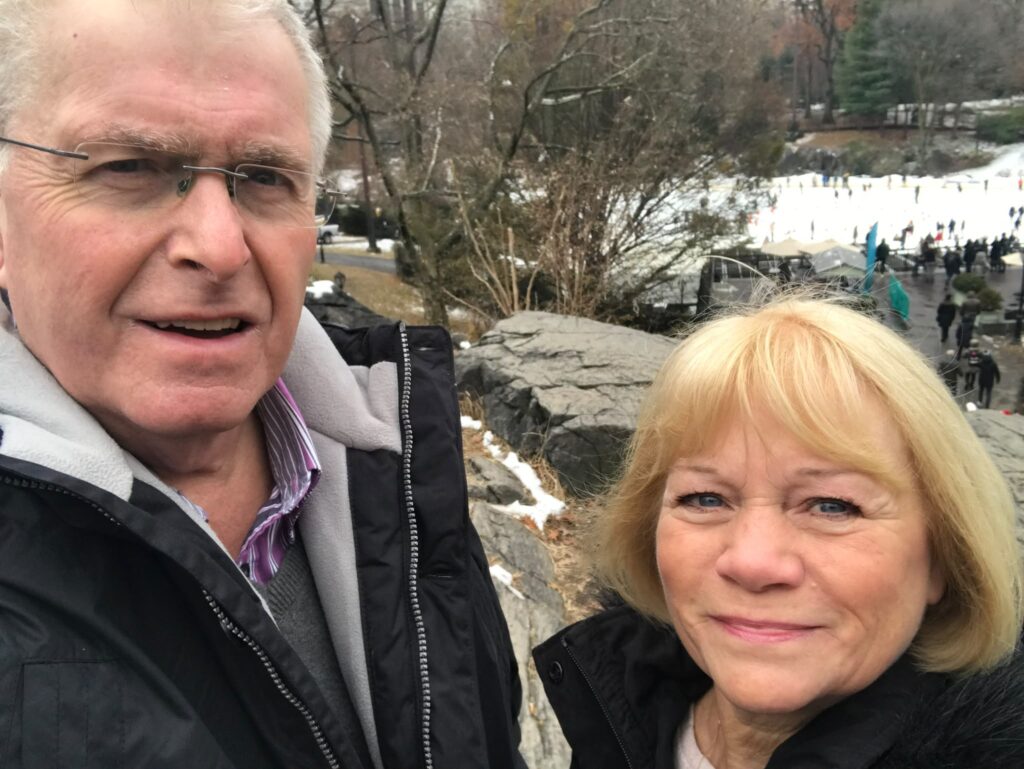
“That’s the emotional bit,” said Peter, who lives in Adel with his wife Pam.
“That one liver was put into two people. It certainly saved my life, and I hope it saved that child’s too.”
Peter, a distinguished member of the Province of Yorkshire, West Riding Freemasons, believes the real heroes of transplantation are the donors and families whose selfless decisions give others the chance to live. Peter has since written to his donor’s family to thank them.
“I work on the basis that I would kiss the ground they walk on,” he said.
“I can’t thank them enough. If I ever met them, I think that would push me over the edge emotionally.
“The care and support I received from the doctors and nursing staff was nothing short of phenomenal. I’m so very grateful to them and to St James’s Hospital Chapel. Reverend Alison Battye was always there if needed, before and after the surgery and up to this day.”
Although Peter, who manages an accountancy firm in Headingley, still faces health challenges, including back problems linked to complications following surgery, he says his quality of life is vastly improved.
“My wife and family would tell you I have a 100 per cent better quality of life now than I had in 2022,” he said. “I still see the sunshine in the morning. I look at everything with the glass half full.”
In light of his story and connection to the movement, Peter is delighted that his province of the Freemasons has pledged to sponsor the volunteer programme at this year’s Westfield Health British Transplant Games in Sheffield.
“The Freemasons is a very proud champion of great causes and I’m delighted our Province has chosen to sponsor this year’s Games, right on our doorstep in Sheffield,” he said.
“Transplant recipients do so well and should absolutely be applauded, but the only reason people can take part in the Games is because someone, or their family, made that decision to give the gift of life. The real heroes are the people who donate.”
The Games will bring together transplant recipients, living donors, donor families and supporters from across the UK. They celebrate active recovery, the health and wellbeing benefits of physical activity after transplant, and the extraordinary generosity of donors and donor families.
For Peter, and so many others like him, the Games are a powerful celebration of life after transplant and a reminder that none of it would be possible without organ donors.
Another key objective of the Games, which take place from August 6 to 9, is to encourage more people to discuss consenting to organ donation with their loved ones.
“I’ve told my family my wishes,” Peter added.
“That conversation is so important because organ donation can save nine lives and change up to 50 more.”
For more information about the Games, visit www.transplantactive.co.uk